Why Professional Communication Often Works Better With a Smaller Setup
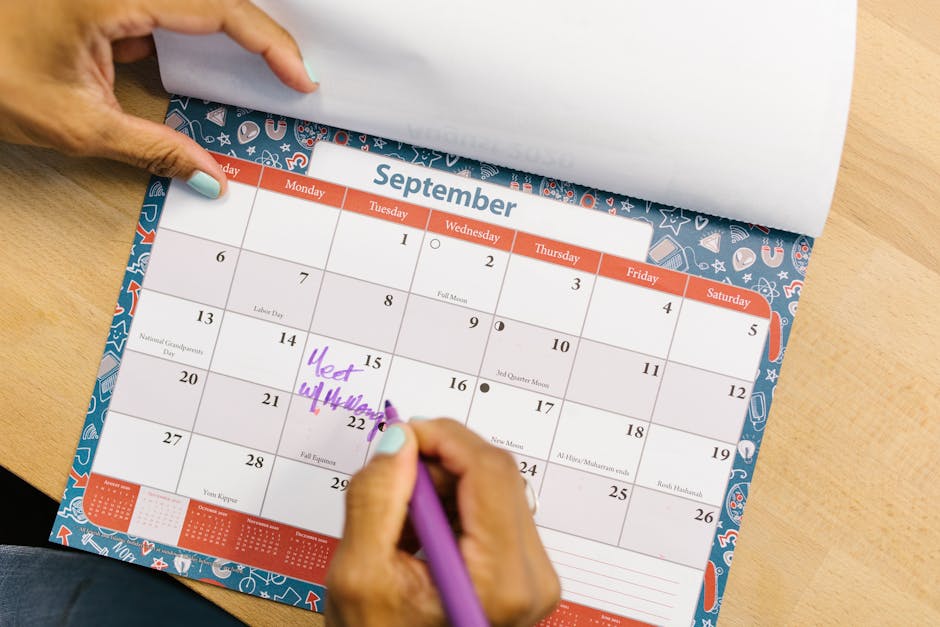
It’s early morning at the kitchen table, and the coffee mug sits steaming beside a cluttered notebook filled with hastily jotted meeting notes. The clock ticks steadily towards the start of a busy workday, and the first task on the list is to confirm the agenda for the day’s meetings. With a quick glance at the task list, the urge to dive into the inbox looms large, but the agenda check is crucial for setting the right tone. Yet, as the mind races through emails and reminders, it’s easy to overlook this step, which can lead to confusion later on.
As the minutes slip away, the pressure mounts. The notebook remains open, but the agenda is buried under a flurry of incoming messages. Each email draft pulls focus, and the essential task of confirming the agenda gets skipped in the rush. This handoff gap between preparing for meetings and managing the inbox creates friction that can derail the entire workflow. Without a clear understanding of what to prioritize, the day begins not with clarity, but with a chaotic scramble that sets the tone for everything that follows.
Morning Setup: The Overlooked Routine
Before the clock strikes nine, the kitchen table transforms into a makeshift office. A coffee mug sits beside an open notebook, where the day’s agenda should be neatly penned. However, the task list is often neglected in favor of the ever-burgeoning inbox. As the morning light filters through the window, it’s tempting to dive straight into the emails that have piled up overnight, but this rush can lead to overlooking the critical step of confirming the day’s agenda. When the agenda check is skipped, it can create a ripple effect of confusion during meetings, as priorities shift without notice.
To combat this, take a moment to organize your workspace and review your task list before distractions set in. Pin the working document that contains the meeting notes to the top of your screen. This small action not only keeps the agenda front and center but also serves as a reminder of what needs to be discussed. The notebook, filled with scribbles and reminders, should be open and easily accessible, allowing for quick reference during meetings. By ensuring that the workspace is ready and the agenda is confirmed, the day can start with a clear focus, rather than a chaotic scramble to catch up later.
Hidden Steps in the Workflow
Before the clock strikes 8 AM, the kitchen table is cluttered with a coffee mug, a task list, and an open notebook filled with yesterday's notes. The urge to dive into the inbox is strong, yet this can lead to a critical oversight: confirming the day's agenda. Skipping this step can result in confusion during meetings, where priorities may shift unexpectedly, leaving you scrambling to catch up.
- Pin the working document with the meeting notes to the top of your screen for easy access.
- Review the task list to identify any urgent emails that need immediate attention.
- Check the calendar for any last-minute changes that could impact your workflow.
By organizing your workspace and confirming the agenda first thing, you set a clear direction for the day. This small action not only keeps the agenda visible but also helps avoid the pitfall of a follow-up email getting buried under new messages. As the day progresses, taking just a few moments to ensure everything is in order can save time and prevent unnecessary chaos later on.
This same friction shows up again in Writing Clearly At Work, especially when the day tightens unexpectedly.
The Agenda Check: A Common Bottleneck
Before the first work block, the kitchen table is cluttered with a coffee mug, a notebook filled with last week’s meeting notes, and a task list that’s begging for attention. The urge to dive into the inbox is strong, but skipping the agenda check is a critical oversight that can lead to miscommunication during meetings. Without confirming what’s on the agenda, you risk discussing topics that aren’t priorities, leaving you scrambling to catch up as the conversation shifts.
As the clock ticks toward the start of the day, take a moment to pin the working document with today’s agenda to the top of your screen. This simple action keeps the agenda visible and ensures you’re aligned with your team’s expectations. Next, glance over your task list to identify any urgent emails that need immediate attention. You might find a follow-up buried under new messages, which could delay your response and disrupt the workflow. The process clogs up when you don’t have a clear picture of what needs to be addressed first, leading to confusion and a backlog of tasks.
By confirming the agenda right at the start, you not only set a clear direction for your day but also mitigate the risk of missing crucial updates. This small adjustment helps maintain team communication and keeps your focus sharp, allowing you to navigate the day’s demands more effectively.
A Better Order for the Same Five Minutes
The morning rush often leads to a chaotic start. You might find yourself seated at your kitchen table, coffee mug in hand, flipping through your notes while the clock ticks down to your first meeting. In this scenario, it’s easy to overlook the agenda check, diving straight into your inbox instead. This sequence can bury essential follow-ups under a pile of new emails, leaving you scrambling to catch up later in the day.
Instead, consider a revised order for those crucial five minutes. Begin by pinning today’s working document with the agenda to the top of your screen. This ensures you have a clear view of what needs to be addressed, aligning your focus right from the start. After securing the agenda, take a moment to scan your task list for any urgent emails that require immediate attention. By prioritizing this check before diving into your inbox, you can prevent critical tasks from slipping through the cracks. For instance, a follow-up request from a team member may get lost amidst new messages if you don’t confirm your priorities first.
By adjusting the order of your actions, you create a more efficient workflow. The simple act of reviewing your agenda before tackling emails not only streamlines your morning but also sets a clear path for the day ahead. This small change can significantly reduce the friction that often arises when tasks overlap or get forgotten in the shuffle.
What Changes Once the Sequence is Cleaner?
If this pattern keeps repeating, Balancing Work And Life extends the idea without leaving the niche.
Before the first work block, the early morning setup at your kitchen table can feel chaotic, especially if the agenda check is skipped. With a coffee mug in hand, the temptation to dive straight into the inbox is strong, but this often leads to a jumbled start. By instead placing your meeting notes page in front of you, you create a visual anchor. This simple act helps clarify your priorities right from the outset.
Once the agenda is confirmed, the difference is palpable. You can scan through your task list with a focused mind, knowing exactly what needs attention. This reduces the stress of uncertainty, allowing you to handle your emails with purpose. For example, if a follow-up email from a colleague is buried under a flood of new messages, you’re less likely to overlook it when you’ve already established your priorities.
Additionally, having one working document pinned to your screen streamlines communication with your team. You can reference the agenda during calls, ensuring everyone is aligned without the usual fumbling for notes. This small adjustment not only enhances your workflow but also fosters a sense of control over your remote work environment. As a result, the morning rush transforms from a source of anxiety into a structured launchpad for the day ahead.
As the morning rush unfolds, the tendency to skip the agenda check can lead to significant handoff gaps between tasks. Without confirming what needs immediate attention, you might find yourself diving into emails or other distractions, leaving crucial follow-ups buried under a mountain of new messages. This not only disrupts your workflow but can also lead to missed opportunities in team communication.
To counter this, make it a habit to pin your working document to your screen before you begin your day. This simple action keeps your agenda front and center, allowing you to refer back to it during meetings and maintain focus on your priorities. By establishing this routine, you can ensure that the critical steps in adapting to US work culture don’t slip away in the morning chaos.


