The Setup Shift That Makes Desk Setup Easier to Repeat

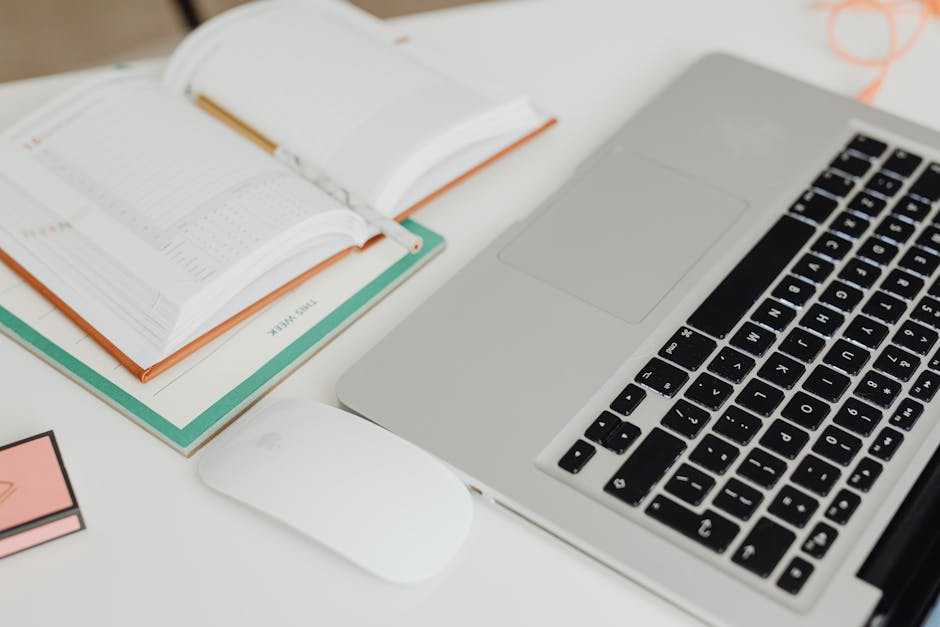
At the kitchen table, the sun barely peeks through the window as the coffee mug steams beside a cluttered notebook. It’s early morning, and the calendar event pane on the laptop screen is already filled with back-to-back meetings. With a few minutes left before the first video call, the urge to check emails is strong, but that often leads to a cascade of distractions. A follow-up from yesterday's meeting gets buried under new messages, and suddenly, the prep time vanishes.
Opening the working document first can make a significant difference. Instead of diving into the email flood, taking a moment to pin the document allows for a clearer focus on what needs addressing. This simple action helps prioritize tasks and ensures that important follow-ups don’t slip through the cracks. Without this adjustment, the morning routine becomes reactive, with emails crowding out the essential prep work that sets the tone for the day.
The Morning Routine That Starts to Slip
As the sun begins to rise, the kitchen table becomes a makeshift command center. A steaming coffee mug sits beside a cluttered notebook, where last week’s tasks are jotted down haphazardly. The laptop screen displays a calendar filled with back-to-back meetings, and the email inbox is overflowing with unread messages. Each morning, this scene repeats itself, but today feels particularly chaotic. The urge to dive into emails is strong, yet that often leads to a frustrating cycle of distractions. A follow-up from yesterday’s meeting could easily get buried under a new influx of messages, making it difficult to focus on the day's priorities.
Before opening the email app, a quick glance at the task list reveals a few high-priority items that need addressing. Instead of succumbing to the email flood, the first move should be to open the working document related to the first meeting. Pinning this document at the top of the screen allows for immediate access to key points and follow-ups. This small adjustment can significantly streamline the workflow. By prioritizing the working document, the morning routine shifts from reactive email management to proactive task preparation. As the clock ticks closer to the first meeting, the cluttered task list begins to feel more manageable, but only if that initial focus on the document is maintained. When Email Replies Crowd Out Preparation Time As the clock inches toward 8:30 AM, the home desk is a flurry of activity. A coffee mug sits next to a notebook filled with hastily scribbled notes from yesterday’s meetings. The calendar event pane on the laptop screen is already crowded with back-to-back meetings. Before diving into the day, a quick review of tasks should take priority. However, as soon as the email app opens, a cascade of replies from team members floods in, quickly distracting from the task at hand.
A follow-up email regarding a project deadline gets buried under a new influx of messages, causing it to slip from view. This missed check leads to confusion during the first meeting, where critical points are overlooked. Instead of letting the email chaos dictate the morning, the first action should be to open the working document pinned at the top of the screen. This document contains essential notes and action items from the previous meeting. By focusing on this document first, the team member can streamline their preparation, ensuring that nothing important is lost amidst the email clutter.
As the morning progresses, the task list feels increasingly overwhelming. A simple adjustment—prioritizing the working document—can shift the focus from reactive email management to proactive preparation. This small change not only helps in retaining clarity but also sets a more organized tone for the day ahead. By maintaining this initial focus on the document, the team member can navigate the busy morning with greater confidence and purpose.
Why the Clutter Happens: A Common Friction
Before the clock strikes nine, the home desk is already cluttered with a coffee mug and a notebook filled with hastily scribbled notes. The calendar event pane shows back-to-back meetings, and the email inbox is flooded with replies that pull attention away from crucial tasks. This morning chaos is a familiar scene, where key information is scattered across multiple platforms—emails, notes, and calendar reminders. Without a centralized document to reference, follow-ups often get buried under a wave of new messages, leading to confusion and missed tasks.
Good intentions to prepare for the day often fall short when the first action is to dive into the email inbox. The hidden tradeoff here is the time lost in sorting through irrelevant messages instead of focusing on what truly matters. By the time the first meeting starts, important follow-ups from the last discussion may be forgotten, leaving the team scrambling. To counter this, a simple yet effective adjustment is to open the working document pinned at the top of the screen right away. This document should contain all essential notes and action items, allowing for a more streamlined preparation process. Prioritizing this step can transform the morning routine from reactive email management to proactive workflow planning. A Simple Adjustment: Pinning a Working Document First Before the first meeting of the day, the kitchen table is cluttered with a coffee mug, a notebook, and a task list. As the clock ticks closer to the start time, the instinct to check emails can become overwhelming. However, diving into that sea of messages often leads to important follow-ups getting buried under new replies. This morning, the goal is to avoid that pitfall by making a small but impactful change: opening a single working document that consolidates all tasks and notes.
To implement this adjustment effectively, pin the working document to the desktop so it’s the first thing seen when work begins. This document should include key action items from previous meetings, deadlines, and any relevant notes. By prioritizing this step, the morning routine shifts from reactive email management to proactive workflow planning. Instead of getting lost in a flood of emails, the focus remains on the tasks that matter most. As the first meeting approaches, having everything in one place not only saves time but also ensures that no critical follow-up slips through the cracks, making for a smoother start to the day.
A slightly different version of this problem appears in Writing Clearly At Work, where the sequence changes but the hidden drag feels familiar.
How This Change Shapes the Rest of the Day
This same friction shows up again in Balancing Work And Life, especially when the day tightens unexpectedly.
Pinning that working document to the desktop transforms the morning routine into a streamlined operation. As the clock ticks toward the first meeting, having all tasks visible in one place means follow-ups become much easier to manage. Instead of scrolling through a cluttered inbox, the team member can glance at the document to see which items need immediate attention. This shift allows for a more proactive approach to communication, as the notes from previous meetings are readily accessible, reducing the risk of overlooking critical points.
With less time spent searching for information, each meeting can focus on what truly matters. The team member can prepare concise updates or questions based on the consolidated notes, enhancing the quality of discussions. For example, if a follow-up about a project deadline is needed, it’s just a click away in the working document. This focused preparation not only makes meetings more efficient but also fosters clearer team communication, especially in a remote work setting where cues can often be missed.
As the day progresses, this simple adjustment continues to pay off. The team member finds that they can transition smoothly from one task to another, armed with the right information without the usual frantic searches. The initial friction of email replies crowding out prep time diminishes, leading to a more organized workflow that sets a positive tone for the rest of the day.
As the morning unfolds, the impact of opening that working document first becomes increasingly clear. The team member notices that by prioritizing this step, they can quickly reference key points and updates without sifting through a clutter of email replies. Instead of scrambling to remember what was discussed in previous meetings, they have a consolidated view of necessary follow-ups right at their fingertips, making it easier to engage meaningfully in discussions.
In this meeting-heavy culture, where distractions abound, a simple adjustment can transform workflow. Before diving into emails, take a moment to open the working document and pin it to the taskbar. This small act not only streamlines preparation but also ensures that important tasks don’t slip through the cracks, setting a more organized tone for the day ahead.