Why Key Information in Too Many Small Places Breaks Down US Work Culture Adaptation

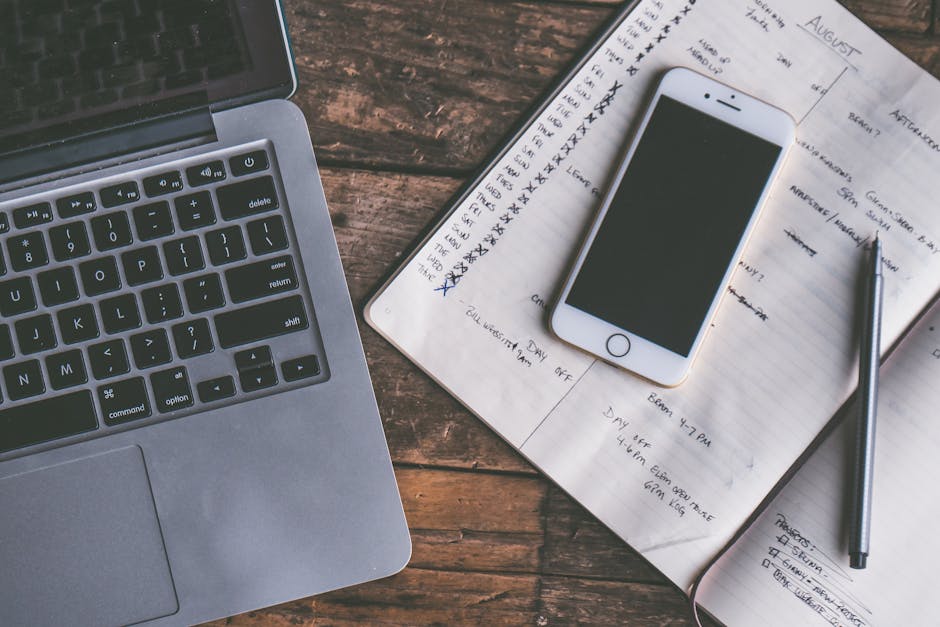
It’s early morning, and the kitchen table is cluttered with a coffee mug, a notebook, and a task list. The clock ticks closer to the first meeting of the day, which means it’s time to review the agenda. With multiple tabs open on the laptop, the pressure mounts to juggle inbox work while ensuring the critical document—the presentation deck—remains accessible. Yet, as the minutes slip away, the agenda check often gets skipped, leading to a scramble just before the call.
In the rush to dive into emails and respond to team messages, the working document tab sits closed, hidden among distractions. This oversight can create a ripple effect, leaving essential points unaddressed during the meeting. Without confirming the agenda first, the risk of miscommunication increases, making it harder to align on goals and expectations. As the meeting approaches, the tension grows, and the potential for a smoother workflow fades, highlighting the need for better information management strategies in a meeting-heavy environment.
The First Step That Gets Skipped
Morning routines can quickly become chaotic, especially on meeting-heavy days. As the sun rises, the kitchen table is cluttered with a coffee mug, a laptop open to a sea of tabs, and a task list that seems to grow by the minute. The first task on the agenda is to review the presentation deck for the 9 AM call, but with notifications pinging and emails demanding attention, the agenda check often slips through the cracks.
Initially, it feels reasonable to dive into the inbox, thinking that responding to a few quick messages will set a productive tone for the day. However, as the clock ticks closer to the meeting, the reality of scattered information becomes apparent. The working document tab remains closed, buried under other distractions, while the agenda sits unconfirmed. This oversight leads to a frantic scramble just ten minutes before the call, as the team struggles to align on key points without having reviewed them beforehand.
To counteract this, a simple adjustment can be made: pin the working document tab first thing in the morning. By placing it front and center, it becomes a visual reminder to confirm the agenda before getting lost in the noise of incoming messages. This small shift not only streamlines workflow but also ensures that critical topics are addressed during the meeting. Yet, even with this adjustment, the temptation to skip the agenda check remains strong, highlighting the friction between immediate tasks and long-term communication effectiveness.
Where the Default Method Fails
Morning routines often start with a flurry of activity, but when key information is scattered across emails, notes, and calendars, confusion reigns. Picture this: you’re seated at your kitchen table, coffee mug steaming beside a cluttered notebook, as you glance at your task list. The agenda for your first meeting is buried under a pile of unread emails, and the notifications keep piling up, pulling your focus away from what truly matters.
As you prepare for a meeting-heavy morning, the weak point under pressure becomes glaringly obvious. You open your email, scanning for the agenda, but it’s lost in a sea of messages. Instead of confirming the agenda and reviewing the important points, you find yourself distracted by incoming messages, leading to a frantic last-minute scramble just ten minutes before the call. The working document tab remains closed, and without a clear focus, the team struggles to align on key topics, resulting in a disjointed discussion.
To mitigate this chaos, a small adjustment can make a significant difference: pin the working document tab at the start of your day. By placing it front and center on your screen, you create a visual cue that prompts you to confirm the agenda before diving into distractions. This simple action not only streamlines your workflow but also ensures that you and your team are prepared to tackle the meeting effectively. However, even with this adjustment, the temptation to skip the agenda check remains strong, revealing the ongoing friction between immediate tasks and the need for cohesive communication.
A Better Order for the Same Five Minutes
Early mornings at the kitchen table often feel rushed, especially on meeting-heavy days. As you sip your coffee, the task list stares back at you, but the temptation to dive into emails can derail your focus. Instead of letting distractions take over, consider a streamlined approach to organizing your first work block.
- Pin one working document first: Open your primary meeting deck and pin it to your browser. This keeps it visible and accessible, serving as a constant reminder of what needs to be discussed.
- Review the agenda in one place: Before checking emails, glance over the pinned document to ensure you’re clear on the agenda. This helps align your thoughts and prepares you for the conversation ahead.
- Switch the order of tasks: Instead of starting with your inbox, dedicate the first few minutes to confirming the meeting agenda. This small shift sets a focused tone for the day, reducing the likelihood of a frantic last-minute scramble.
By prioritizing the working document and reviewing the agenda before diving into emails, you create a more structured start to your day. This adjustment minimizes the risk of skipping essential checks and enhances your readiness for team communication. As you settle into your chair, remember that a clear focus on the agenda can make all the difference in how smoothly your meeting unfolds.
The Tradeoff of Streamlined Focus
This same friction shows up again in Balancing Work And Life, especially when the day tightens unexpectedly.
As the clock ticks towards your first meeting, the temptation to dive into your inbox is strong. However, consider the impact of keeping your focus on a single document instead. By pinning the agenda for the day in your task management tool, you can eliminate distractions that often arise from toggling between multiple applications. This simple act of prioritizing a single working document allows you to hone in on what truly matters, ensuring you’re not caught off guard by last-minute changes.
Yet, this approach isn’t without its drawbacks. If you’re too engrossed in the agenda, you might miss out on spontaneous conversations in your team chat that could provide valuable insights or updates. For instance, you might find that the deck you need to present is still closed ten minutes before the call because you’ve been so focused on the agenda. This can lead to a frantic scramble to gather thoughts and materials right before the meeting starts.
Ultimately, the tradeoff lies in balancing the streamlined focus with the need for flexibility. While concentrating on one document minimizes distractions and enhances clarity, it requires discipline to resist the urge to check emails or messages. This method can lead to a more structured start to your day, but it also risks isolating you from the fluidity of team communication. As you weigh these factors, consider how a single-document approach might serve you better in meeting-heavy mornings, even if it means occasionally sacrificing the immediacy of spontaneous discussions.
A Quick Check That Prevents More Drift
A slightly different version of this problem appears in Writing Clearly At Work, where the sequence changes but the hidden drag feels familiar.
Before diving into your meeting-heavy mornings, take a moment to confirm the agenda for the day. Sitting at your kitchen table with a steaming coffee mug, glance at your task list and calendar. This simple act can save you from scrambling for materials later.
As you prepare to open your main work document, ensure it’s pinned first on your screen. This way, when the clock ticks down to your meeting, you won’t find yourself still searching for the presentation deck. The visual cue of that pinned document serves as a reminder to keep your focus on what’s essential. Missing this check can lead to a chaotic start, where you realize the deck is still closed just ten minutes before the call.
By confirming the agenda and prioritizing your working document, you set a clear path for the morning. This adjustment not only streamlines your workflow but also helps you resist the urge to check emails or team chats that can easily divert your attention. Balancing the need for preparation with the distractions of remote work can be tricky, but this quick check can anchor your focus and keep you aligned with your team's expectations.
When That Alternative Fits Better
Before the first meeting of the day, your desk setup can either be a fortress of productivity or a minefield of distractions. As you sip your coffee, take a moment to assess your screen layout. If your working document isn’t pinned to the top of your browser, it’s easy to find yourself scrambling to locate it just minutes before the call. This small adjustment can significantly impact your focus and readiness.
Consider the typical scenario: it’s early morning, and your task list is already crowded with emails and notifications. You might feel the urge to dive into your inbox first, but that can lead to a chaotic start. Instead, prioritize confirming the agenda for your meeting by ensuring the working document is open and easily accessible. This way, when the clock ticks down, you won’t be caught off guard, still searching for the presentation deck while your colleagues are already discussing key points.
By making this simple check to pin your document first, you create a visual anchor that helps you resist the temptation to check messages or scroll through unrelated tasks. You’re not just preparing for the meeting; you’re setting the stage for a more effective workflow throughout your morning. Missing this crucial step can lead to a frantic scramble, where you’re not only unprepared but also distracted by the noise of scattered information.
As you navigate a meeting-heavy morning, the scattered nature of information can easily derail your focus. If you skip the step of confirming the agenda by checking that your working document is pinned and ready, you risk entering the meeting unprepared. This small oversight can lead to unnecessary stress as you scramble to find the right materials while others are already engaging with the content.
Before diving into emails or other distractions, take a moment to ensure that your document is open and visible on your screen. This simple action creates a clear starting point for your day, allowing you to engage more effectively in discussions. By prioritizing this check, you set yourself up for smoother communication and a more organized workflow, making it easier to adapt to the nuances of US work culture.