Why Career Skills Often Works Better With a Smaller Setup

It's early morning at the kitchen table, and the coffee mug sits beside a notebook filled with hastily jotted notes from yesterday's meetings. As the clock ticks closer to the start of the workday, a task list lies open on the laptop screen, but the agenda for the day remains unchecked. This is a critical moment where many team members overlook the importance of reviewing their meeting agenda before diving into emails. Without this simple check, follow-ups can easily slip through the cracks, buried under a flood of new messages that arrive throughout the day.
Opening the working document first can set the tone for a productive day, but many skip this step, diving straight into their email drafts. This decision often leads to a chaotic workflow, where key tasks get lost in the shuffle. When the agenda check gets skipped, it creates a bottleneck that not only hampers individual productivity but also affects team communication. A missed follow-up can derail a project, making it essential to establish a routine that prioritizes agenda review before tackling the influx of daily distractions.
The Morning Setup: What Gets Overlooked
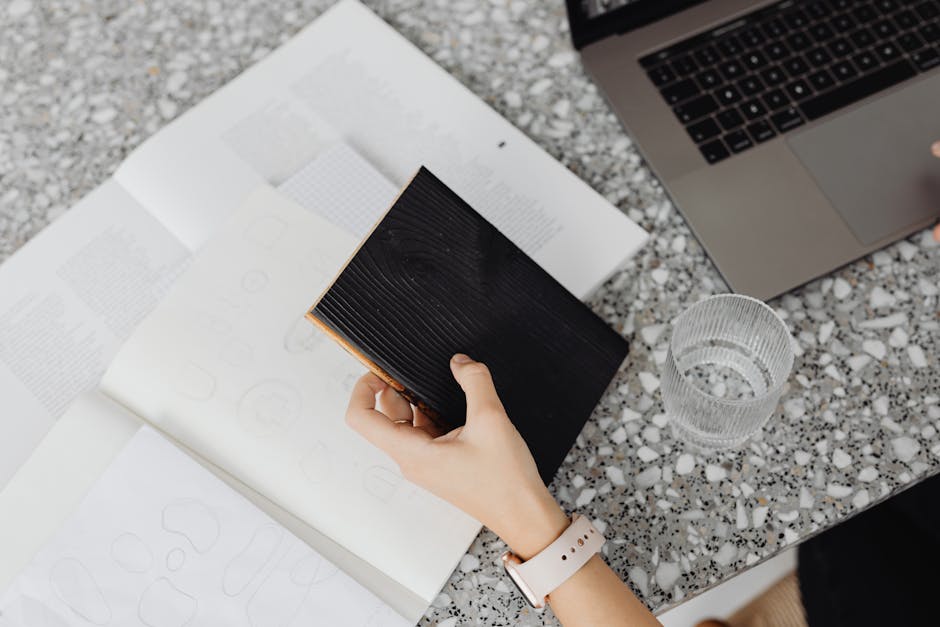
As the sun peeks through the window, the kitchen table is cluttered with a coffee mug and an open notebook. The aroma of freshly brewed coffee fills the air, setting the stage for a focused morning. Before the day’s distractions take hold, it’s crucial to glance at the task list and calendar. On meeting days, this step becomes even more vital, as the agenda often dictates the flow of communication and follow-ups.
Opening the working document first can create a smoother transition into the day’s tasks. However, many team members dive straight into their email drafts, a choice that often leads to missing critical agenda items. This oversight can cause follow-ups to get buried under a cascade of new messages, disrupting the workflow. By prioritizing a quick review of the agenda before tackling emails, you can ensure that important discussions are fresh in mind, making it less likely for essential tasks to slip through the cracks.
The Checklist of Forgotten Steps
Before diving into the day’s tasks, the desk setup should be optimized for focus. At the home desk, the laptop screen is often cluttered with multiple tabs, but the most crucial step is opening the working document first. This action serves as a central hub for tracking tasks and notes throughout the day, preventing important follow-ups from getting lost in the shuffle.
- Check the agenda for the day to prioritize discussions effectively.
- Pin the working document in your browser to ensure it’s always accessible.
- Review any outstanding emails briefly to identify urgent follow-ups.
Skipping the agenda check can lead to a disorganized workflow, where critical topics are overlooked during team meetings. This oversight often steals valuable time, as team members scramble to catch up on missed points after the fact. By making it a habit to check the agenda before addressing emails, you can maintain clarity on priorities and ensure that essential tasks remain front and center.
The Agenda Check: A Common Bottleneck
If this pattern keeps repeating, Balancing Work And Life extends the idea without leaving the niche.
Before the first work block, the kitchen table is often a battleground of distractions. A coffee mug sits beside a notebook filled with scribbled notes, yet the laptop screen remains untouched. Skipping the agenda check can quickly derail a productive morning. Without it, the focus shifts to the influx of emails, where new notifications can overshadow critical tasks that need follow-up.
When you dive straight into your inbox, it’s easy to lose sight of what matters. A follow-up email about a project update might get buried under a wave of new messages, making it difficult to track ongoing conversations. This clutter not only complicates team communication but also delays necessary actions, as important discussions slip through the cracks. Each time you overlook the agenda, you're essentially setting yourself up for a scramble later, where team members are left wondering about unresolved points.
To counter this, make it a habit to open the working document first. Pin it in your browser so it’s always visible. As you glance at the agenda, prioritize the topics that need addressing in your team meetings. This small adjustment can streamline your workflow and keep essential tasks from getting lost in the noise of your inbox. The next time you sit down to work, take a moment to check the agenda before diving into emails; it could save you from unnecessary backtracking later.
A More Effective Order for Your Morning Routine
This same friction shows up again in Writing Clearly At Work, especially when the day tightens unexpectedly.
As you sit at your kitchen table with a steaming coffee mug in hand, the early morning light filtering through the window, it’s easy to feel overwhelmed by the tasks ahead. Before diving into the chaos of emails, take a moment to set the stage for a more productive day. The first step is to open your working document and pin it in your browser. This simple action ensures that your agenda is always visible, preventing it from getting lost amidst the distractions of incoming messages.
Next, prioritize checking the agenda before you even glance at your email draft window. Skipping this step often leads to important follow-ups slipping through the cracks, buried under a pile of new notifications. By reviewing your agenda first, you can identify key discussion points that need addressing in your team meetings. This small adjustment can significantly streamline your workflow, allowing you to tackle tasks with clarity rather than scrambling later to remember what was missed.
Consider this revised order: open your working document, check the agenda, and then, and only then, dive into your emails. This sequence not only helps you stay focused but also sets a clear intention for your workday. By making this a habit, you’ll find that the follow-ups you need to address become more manageable, and your team communication flows more smoothly, reducing the friction that often arises from overlooked tasks.
What Changes with a Cleaner Sequence?
Before the first work block of the day, I often find myself sitting at my kitchen table, coffee mug in hand, staring at my task list. This early morning moment is crucial for setting the tone of my remote work day. Instead of diving straight into my email draft window, I’ve started prioritizing my agenda check. This shift has made a tangible difference in how I manage follow-ups and tasks.
By opening my working document first, I can outline the key points I need to address in upcoming meetings. This simple act of preparation allows me to focus on priority tasks without the distraction of new emails flooding in. I’ve noticed that fewer follow-ups get lost in my cluttered inbox, as I can quickly reference my agenda while drafting responses. Each morning, I now take a moment to scan through my calendar and jot down any essential notes in my notebook before I even glance at my emails.
This sequence—opening the working document, checking the agenda, and then tackling emails—has improved my productivity. I feel more organized and less overwhelmed, which enhances my ability to contribute effectively during team communication. The friction of forgotten tasks has decreased, allowing my workflow to become smoother and more efficient. As I continue to adapt to this structured approach, I’m finding that my remote work experience is becoming increasingly manageable, with a clearer focus on what truly matters each day.
As I wrap up my morning routine, I realize how crucial it is to prioritize that initial check of my agenda. Without it, tasks can slip through the cracks, especially on busy meeting days. I often find that if I skip this step, follow-ups get buried under a deluge of new emails, leading to unnecessary chaos in my workflow. By taking a moment to open my working document first, I create a clear path for what needs to be addressed, making it easier to stay focused.
Next time you sit down at your home desk or kitchen table, consider pinning your working document as the first thing you open. This simple adjustment can serve as a grounding point, ensuring that essential tasks are front and center before distractions take over. It’s a small but effective way to prevent the bottlenecks that hinder your adaptation to US work culture.