The Hidden Steps That Slow Your Adaptation to US Work Culture
It’s early morning, and the kitchen table is cluttered with a half-drunk coffee mug, a notebook filled with scribbled reminders, and a task list waiting for attention. As the clock ticks closer to the start of the workday, you sit down to review the agenda for the day’s meetings. The screen glows with your email draft window open, yet the nagging feeling of unfinished tasks looms overhead. With a few minutes to spare, you scroll through your inbox, but a follow-up email from yesterday is already buried under a flurry of new messages, making it easy to overlook crucial points.
This moment highlights a common friction point in adapting to US work culture: the agenda check often gets skipped. Without a clear focus on what needs to be prioritized, the workflow can quickly derail. The simple act of opening the working document first, before diving into distractions, can make a significant difference. It’s a small adjustment, but it sets the stage for a more organized approach to the day. By pinning that document at the top of your screen, you create a visual anchor that helps prevent important follow-ups from disappearing into the digital noise of your inbox.
The Morning Setup That Sets the Tone
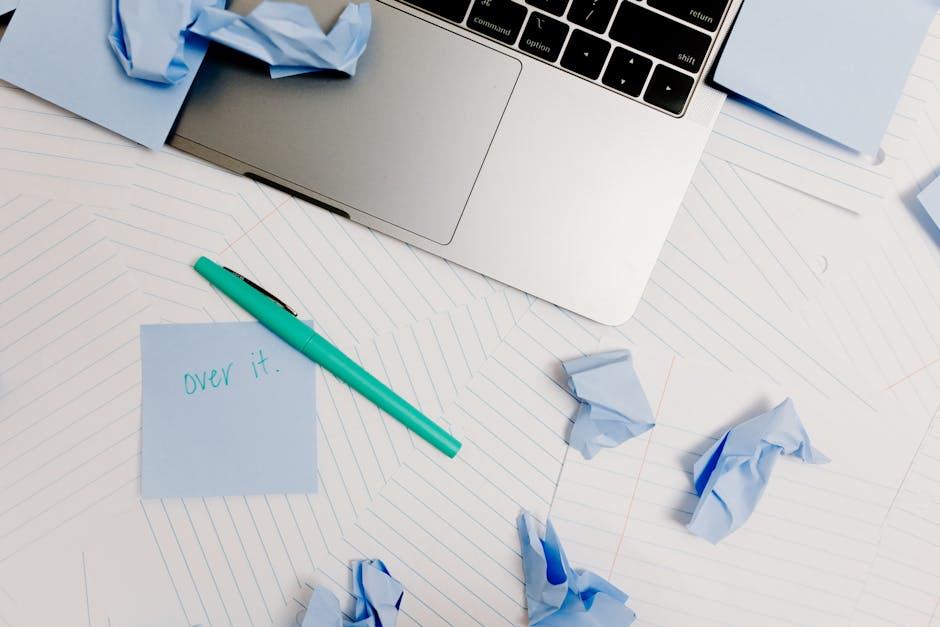
As the sun peeks through the kitchen window, the aroma of freshly brewed coffee fills the air, mingling with the soft rustle of a task list lying next to your laptop. This is the moment to prepare for a meeting day, where the stakes feel high. You sit at your kitchen table, the surface cluttered with a coffee mug, a notebook filled with scribbles, and a laptop ready for action. Before diving into the digital chaos of your inbox, you take a moment to scan your task list.
Opening the working document first, you pin it to the top of your screen. This small but crucial step ensures that your agenda remains front and center, preventing vital follow-ups from getting lost amid the influx of new emails. With your notebook open, you jot down key points from yesterday's discussions, creating a clear roadmap for the day ahead. Skipping this setup often leads to missed opportunities, as important tasks can easily slip through the cracks when the focus shifts to incoming messages. By establishing this routine, you create a structured workflow that aligns with US work culture, emphasizing the importance of preparation and clarity.
The Overlooked Steps in Your Workflow
Early mornings at your kitchen table often feel like a race against time. As you sip your coffee, you might instinctively dive into your email, but this is where the workflow can start to unravel. Before opening that email draft window, consider the tasks you typically plan: checking emails, reviewing your agenda, and setting priorities for the day. Each of these is crucial, yet many skip the agenda check, leading to disorganization.
When the agenda check gets overlooked, it’s easy to lose sight of what truly matters. Important follow-ups can become buried under a pile of new messages, and the clarity you need to tackle your day is lost. Instead of jumping straight into emails, take a moment to open your working document first. Pin it to the top of your screen as a constant reminder of your priorities. This small adjustment creates a visual anchor that keeps your focus on the tasks at hand.
By establishing this routine, you not only prevent vital tasks from slipping through the cracks but also reclaim precious time that would otherwise be wasted sifting through irrelevant emails. If you make it a habit to jot down key points from yesterday’s discussions in your notebook while reviewing your agenda, you’ll find that your workflow aligns more closely with the expectations of US work culture. It’s a simple yet effective way to ensure that your day starts with purpose and direction.
This same friction shows up again in Writing Clearly At Work, especially when the day tightens unexpectedly.
When the Agenda Check Gets Skipped

At the kitchen table, with a steaming coffee mug by my side, I opened my email draft window to start the day. The first task was to follow up on a project discussed in yesterday’s meeting. However, instead of checking the agenda first, I dove straight into my inbox, where new messages flooded in. Within minutes, that crucial follow-up email got buried, lost among notifications and replies that seemed more urgent but weren't. This small oversight set off a chain reaction that would haunt my workflow for the rest of the day.
As the morning progressed, I realized that missing the agenda check meant I had no clear direction. The follow-up was tied to a deadline that I now risked missing, and the stress began to build. Each time I glanced at my task list, the looming deadline felt heavier, compounded by the nagging thought that I had overlooked something important. By failing to pin my working document first and jot down key points from the meeting, I inadvertently delayed not just the follow-up but also the next steps in the project. It became clear that without that initial agenda review, my workflow had clogged up, leading to unnecessary stress and potential setbacks.
A Better Order for the Same Five Minutes
Before diving into the daily grind, the early morning hours at my kitchen table can make or break my workflow. With a steaming coffee mug on one side and a notebook on the other, I’ve learned the importance of setting up my workspace efficiently. The first step? Pinning the working document on my laptop. This simple action ensures that I have quick access to the necessary information without sifting through layers of distractions.
- Pin your working document first on your laptop.
- Check the agenda before opening emails to prevent distractions.
- Open your task list and jot down any immediate follow-ups needed.
By revising my order of actions, I can clear my mind before the barrage of emails begins. For instance, after pinning the document, I take a moment to review the agenda. This crucial step allows me to identify key tasks and follow-ups, preventing them from getting buried under new messages. By establishing this routine, I can navigate my morning tasks with clarity and purpose, setting a positive tone for the rest of the day.
What to Check Before the Phone Takes Over
Before diving into emails, I make it a point to open my task list first. This quick check helps me prioritize follow-ups that are essential for the day ahead. With my coffee mug steaming beside me and the morning light filtering through the kitchen window, I take a moment to scan my agenda. This simple action sets the tone for my workflow, ensuring that I don’t get lost in the flood of incoming messages.
Keeping the agenda visible is crucial; I pin it to my desktop as I prepare for the day. This small adjustment prevents important tasks from slipping through the cracks, especially on busy meeting days. If I skip this step, I often find that a follow-up I intended to address gets buried under new emails. By establishing this sequence—opening my task list, reviewing my pinned agenda, and only then checking emails—I create a focused environment that aligns with US work culture expectations. It’s a straightforward yet effective way to maintain clarity in my workflow.
What Runs More Smoothly After That
If this pattern keeps repeating, Balancing Work And Life extends the idea without leaving the niche.
Once I’ve established that morning sequence, the desk setup transforms into a more functional workspace. My laptop sits open with the task list and agenda pinned on the screen, allowing me to glance at priorities without losing focus. This arrangement minimizes the risk of important follow-ups disappearing under a wave of new emails. By keeping my working document open first, I can quickly jot down notes from meetings or ideas that arise during the day, which helps in maintaining a continuous flow of information.
When I adhere to this structure, I notice a significant reduction in the time spent searching for tasks or reminders. For instance, on days when I skip reviewing my pinned agenda, I often find myself scrambling to remember what I intended to follow up on after a meeting. However, with everything laid out clearly, I can seamlessly transition from one task to the next, ensuring that nothing critical slips through the cracks.
Additionally, this setup encourages a more proactive approach to communication. Instead of waiting for emails to pile up, I can draft responses or updates while they’re fresh in my mind. This small change in workflow not only helps in managing my time better but also aligns with the fast-paced expectations of US work culture, where timely follow-ups are essential.
Before diving into the day, I’ve found that opening my working document first is crucial. This simple act sets the tone for my workflow and prevents the common pitfall of letting important follow-ups get buried under a flood of new emails. By having my agenda pinned and visible, I can quickly check off tasks and ensure that nothing critical slips through the cracks, especially on busy meeting days.
As I sip my coffee and glance at my task list, I’m reminded that the most significant bottleneck in adapting to US work culture often lies in these overlooked moments. A quick review of my pinned agenda can mean the difference between a focused day and one where I’m scrambling to remember what I needed to follow up on. Making this a non-negotiable part of my morning routine has transformed my approach to team communication and task management.


